

An Abundance Agenda for Heating
How to Keep American Families Warm, For Less

It’s winter now and so the vast majority of Americans are going to need to heat their homes over the next few months. Meanwhile, heating costs are rising. According to one forecast, to heat their homes this winter, Americans will pay an average of 9.2% more than they paid last year. These are the exact kinds of kitchen table economic issues that Democrats should be focused on. So, without further ado, here are five policy reforms that Democrats can lean into to address high heating costs.
The Jones Act: Maritime Protectionism That Keeps New England Cold
Let’s start with one of the most straightforward heating cost issues: a 1920 law that makes it unnecessarily expensive to ship fuel where it’s needed most. The Jones Act requires that all cargo moved between U.S. ports be carried on ships that are U.S.-built, U.S.-owned, U.S.-flagged, and U.S.-crewed. The law was passed over a century ago to protect the domestic shipping industry, but today it primarily protects a small number of shipping companies at the expense of everyone else.
Natural gas heats most Northeastern homes, and demand spikes each winter. The most efficient way to move liquefied natural gas (LNG) between U.S. ports would be by ship —but the Jones Act makes it impossible to use foreign-operated or foreign-flagged vessels by these shipments. Jones Act-compliant ships, when they can be found at all, cost roughly three times as much as foreign-owned vessels. Those costs get passed directly onto consumers.
The situation has gotten bad enough that New England governors have repeatedly asked for waivers from the Jones Act (to no avail) just to help their citizens afford winter heating.The solution is straightforward: grant governors waivers whenever they request them, then codify those waivers by reforming—or ideally repealing—the Jones Act entirely.
Pipeline Permitting: How Environmental Review Became Environmental Harm
The Jones Act explains why it’s expensive to ship natural gas to New England by sea. But why ship it at all? The Northeast sits relatively close to major natural gas production areas in Pennsylvania and other parts of the Marcellus Shale region. The obvious solution would be pipelines…except we’ve made building new natural gas pipelines nearly impossible. Because of course we have.
Multiple proposed pipelines that would bring cheaper natural gas to New England have been blocked or severely over the past decade due to our broken permitting system. State-level vetoes under the Clean Water Act allow individual states to block interstate pipelines. Environmental reviews take years and environmentalist organizations like the National Resources Defense Council (NRDC) file legal challenges zealously. Even when a project clears one hurdle, another appears.
There’s a deep irony here too. These permitting barriers, justified in the name of environmental protection, are keeping New England dependent on heating oil, which is far worse for the environment than natural gas. They’re also keeping heating costs high for millions of households, making it harder for those families to afford other environmental investments like better insulation or heat pumps.
This isn’t just a New England problem. Pipeline bottlenecks affect heating costs across the country, particularly in the Midwest and Mid-Atlantic, where inadequate infrastructure forces utilities to rely on more expensive spot markets during cold snaps. Permitting reform that enables strategic pipeline expansion would lower heating costs for tens of millions of American households while reducing emissions. This is exactly the kind of policy win-win that Democrats should be pursuing (and that Senator Gallego’s energy plan which we recently reviewed pursues).
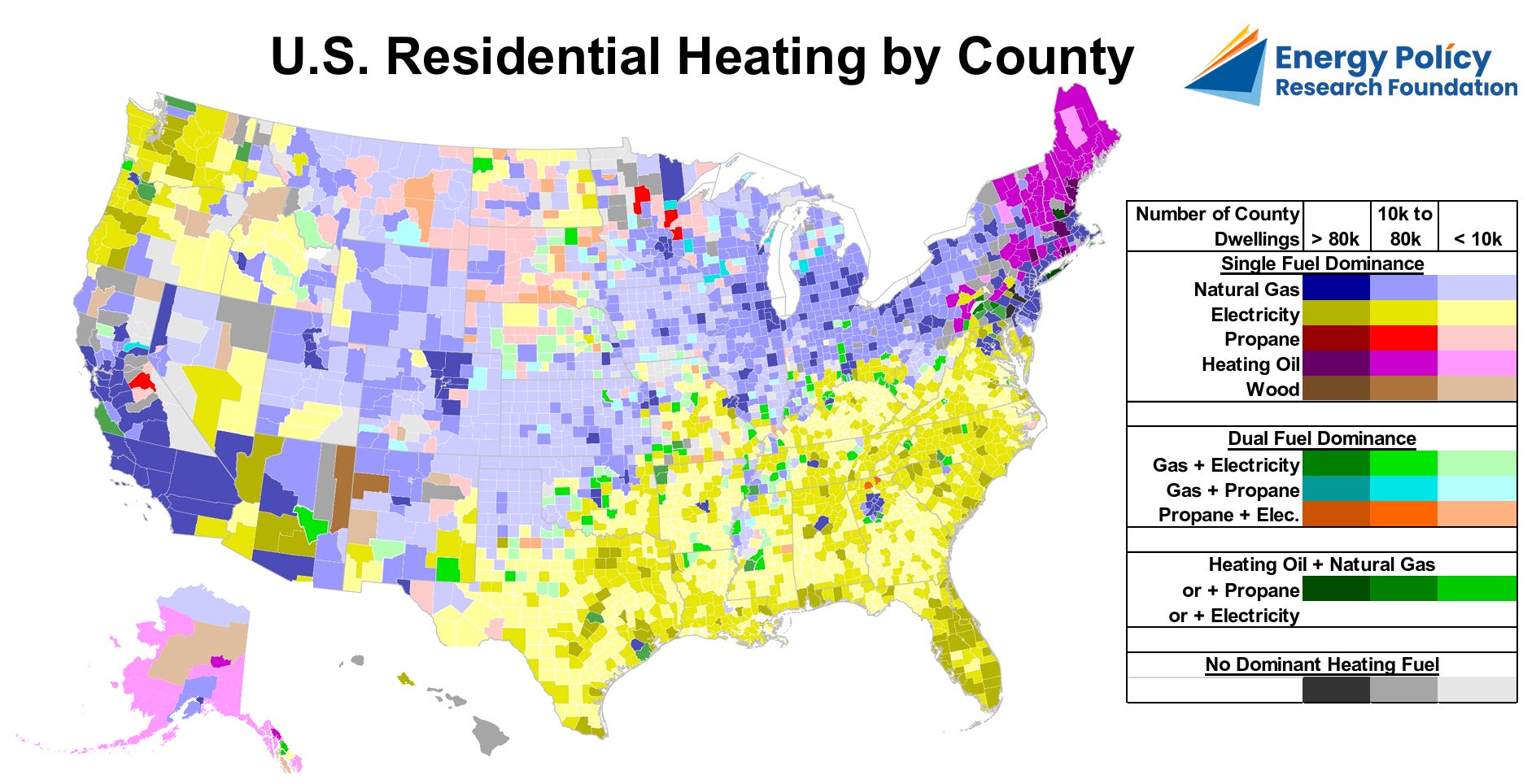
It is important for Democrats to recognize that when it comes to making heating affordable, there’s really no good substitute, at least in the short term, for natural gas. Here you can see a map of the dominant heating sources in different parts of the country. As you can see, northern New England still uses a lot of heating oil, but most of the rest of the Northeast (as well as urban areas across the country) mostly uses natural gas.
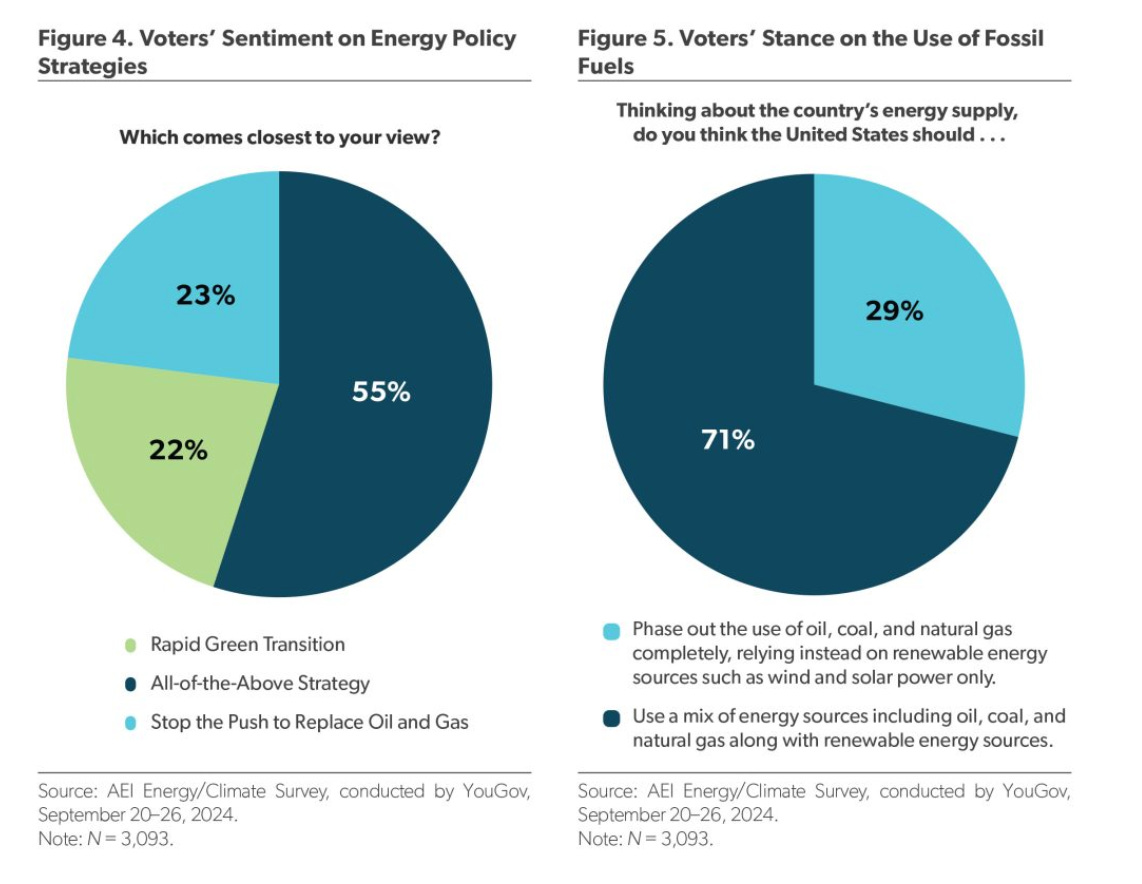
There are clean energy sources for electricity, and as I’ll explain in the next section, making it easier to install electric heat pumps can help, but at least for the foreseeable future, natural gas is going to play a central role in heating. There’s no getting around that. It is also the case that most Americans want an ‘all-of-the-above’ energy strategy. Yes Democrats should do what we can to advance clean energy, but we should also support natural gas pipelines that will deliver more affordable home heating.
Heat Pumps: The Technology That Regulations Won’t Let Us Use
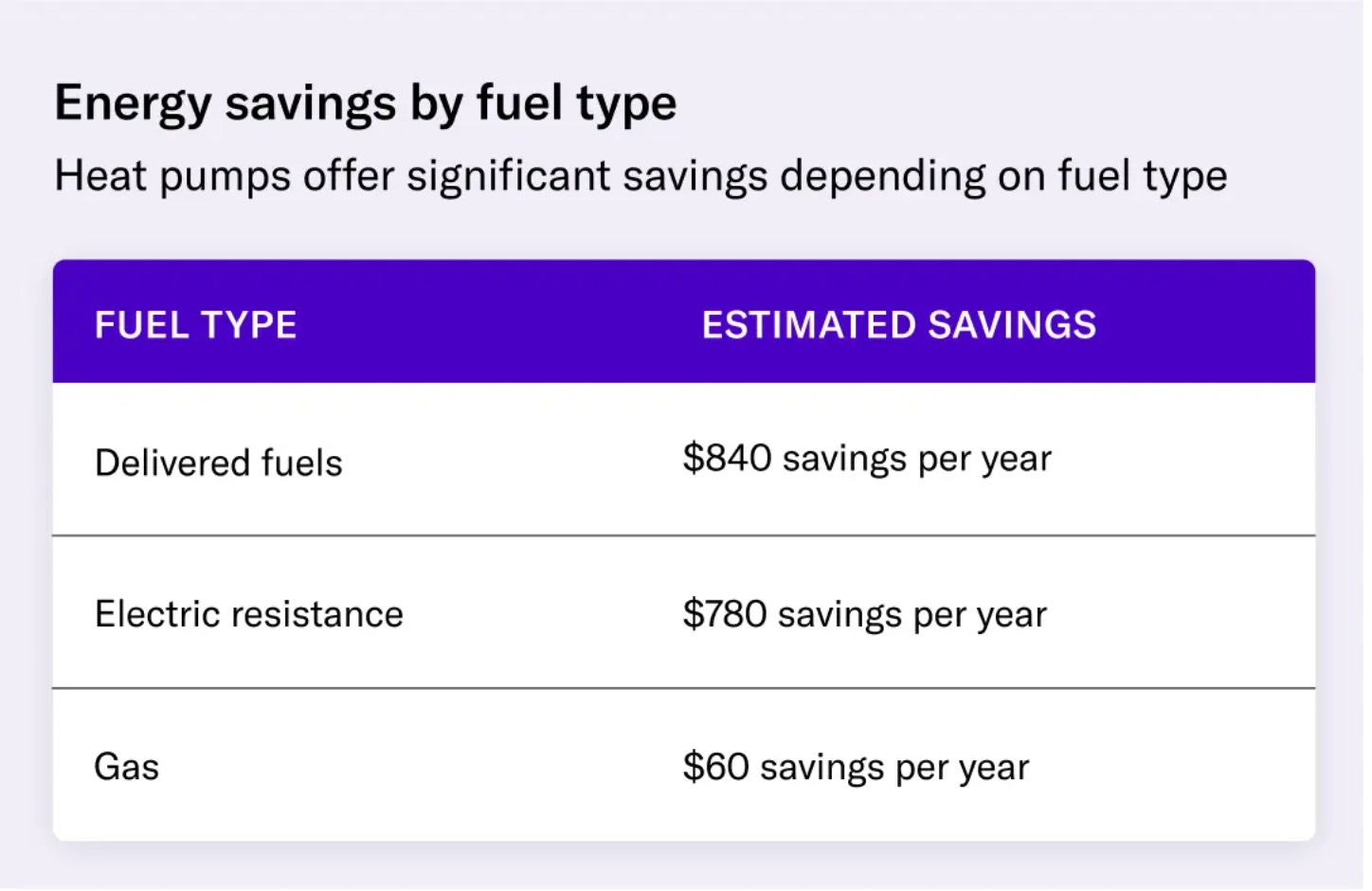
Here’s some good news on the heating front. Modern cold-climate heat pumps are way better than the old ones. They’re now highly efficient, work well even in frigid temperatures, and can cut heating bills significantly compared to oil, propane, or electric resistance heating. And they’re widely used in places like Finland, Sweden, and Norway. So why aren’t more Americans using them?
Part of the problem is regulatory and institutional barriers that make heat pump installations unnecessarily complicated. Many cities have zoning restrictions like setback requirements that extend 5-6 feet from property lines that can rule out installation of heat pump compressors in small side yards. Meanwhile, older equipment sizing standards still assume heat pumps require backup heating systems in cold climates, even though most modern cold-climate heat pumps don’t need backup heat at all. Additionally, local regulations and the permitting process are often confusing and difficult to navigate for both installers and customers. In most states, each city and town has specific regulations that contractors have to master before starting a job.
The result is that a technology that could lower heating costs for millions of households faces a gauntlet of regulatory and institutional barriers that have nothing to do with whether the technology works. Addressing these regulatory hurdles is exactly the kind of pragmatic, pro-supply set of reforms that should be central to any cost-of-living agenda.
Weatherization: Artificial Scarcity in a Program That Works
The federal Weatherization Assistance Program (WAP) provides grants to states to improve energy efficiency in low-income homes. Think insulation, air sealing, furnace replacements, or similar upgrades. The returns are excellent: it delivers $2.78 of benefits for every dollar invested.
So naturally, we’ve decided to keep this program far too small. WAP is chronically underfunded relative to what Americans need and it is excessively means-tested. A household typically needs to be at or below 200% of the federal poverty line to qualify, which creates long (in some cases multi-year) waiting lists in many states. This leaves a huge swath of middle-class households in an awful bind: they don’t qualify for assistance, but they can’t afford the upfront costs of weatherization on their own. Meanwhile, their inefficient homes continue bleeding heat and money. This is the exact kind of situation middle class people hate. They make too much to get help from the government but too little to afford what they deserve, and so they’re stuck in limbo and paying high bills they can’t afford.
From a supply-side perspective, weatherization is a form of energy supply; it makes existing energy go further. But we treat it as welfare rather than infrastructure. If we thought about weatherization similar to building roads or power lines, we’d have broader, better funded programs that weren’t so tightly means-tested and rationed.
Expanding weatherization assistance (both in funding and eligibility) would lower heating costs, reduce emissions, and pay for itself over time. It’s the kind of investment that should be a no-brainer. Democrats who want to enthusiastically champion consumers and the middle class (i.e. what I have in the past called Costco Democrats) should seriously consider taking up this issue.
LIHEAP: Cutting Emergency Aid While Families Freeze
Finally, it’s worth discussing how the Trump administration is making all of this worse. They cut LIHEAP (the Low Income Home Energy Assistance Program) — emergency aid for families struggling to pay their heating bills, created in 1981. In 2025, it helped around 6.2 million low-income households. avoid losing power or heat. It’s historically enjoyed bipartisan support because helping people not freeze to death in the winter tends to be popular across the political spectrum. But this past April, the Trump administration laid off the entire staff of LIHEAP as part of the DOGE cuts. The administration’s fiscal year 2026 budget proposal went further, proposing to eliminate funding for the program entirely.
The administration’s stated rationale is that they’ll “support low-income individuals through energy dominance, lower prices, and an America First economic platform,” which is another way of saying they have no plan at all. Energy prices don’t drop overnight because of slogans, and in the meantime, real families face real heating bills. This is lib-owning (at the expense of poor people shivering) masquerading as fiscal responsibility. It is hard to get more morally lost than that. Democrats should make restoring and expanding LIHEAP funding a day-one priority if they’re able to take back the House or Senate in the midterms.
Democrats, Take Note
These five reforms share a common thread: they’re all about removing artificial barriers and expanding what works. Repeal the Jones Act’s shipping restrictions. Streamline pipeline permitting. Update building codes and zoning rules to accommodate modern heat pumps. Expand weatherization assistance beyond the poorest households. Restore and protect LIHEAP funding. Each reform would lower heating costs for millions of American families. This is the abundance agenda in action: making energy cheaper (and important ways cleaner too) by fixing the policy failures that drive up costs. It’s regulatory reforms that unlock supply coupled with a strong social safety net. This is what works. Democrats looking for kitchen-table economic wins should take note.
-GW